

LEHTIKUVA
- Previous Article Rising inmate and community sanction numbers challenge Finnish correctional system in 2023
- Next Article Finland has had over four years without growth, economist points out
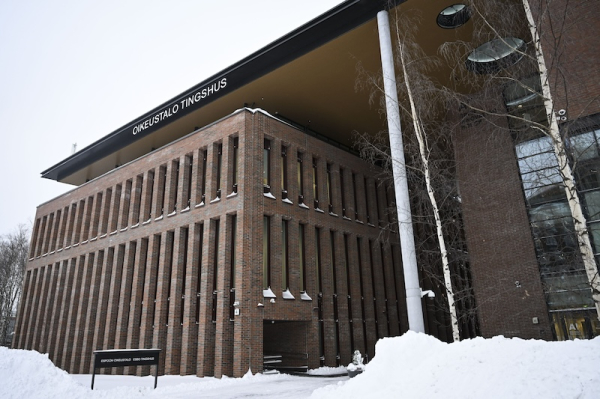
In a landmark ruling, the District Court in Western Uusimaa, Finland, has sentenced four individuals to prison terms for their involvement in grave coercion offenses, marking a significant moment in the fight against labor exploitation. The court handed down a two-year unconditional prison sentence to one individual for nine counts of aggravated coercion and the use of unauthorized foreign labor. Three others received suspended sentences for their roles in one or more counts of aggravated coercion, with one also found guilty of employing unauthorized foreign workers.
The prosecutor had initially sought convictions for human trafficking, but these charges were dismissed by the court. In one case, charges of aggravated coercion were also dropped. This decision came on March 1, 2024, concluding a case that exposed the harsh realities faced by nine Chinese workers in massage businesses across Helsinki, Espoo, and Lappeenranta.
The court found that the victims, largely non-Finnish speaking and unfamiliar with Finnish labor laws, were exploited due to their lack of language skills and social support. Employers took advantage of these vulnerabilities, imposing unreasonable working conditions, including long hours and in some instances, unpaid work or work without proper compensation.
Described by the court as egregious due to the significant profit motive and substantial unpaid wages, the exploitation ranged from approximately 12,000 to 150,000 euros per victim, extending over several years. The calculated deceit involved creating misleading documents to cover up the actual working hours and compensation practices, contrasting sharply with the terms outlined in employment contracts and reported to authorities.
The case also highlighted disputes over what constitutes working hours. Workers were paid solely for customer service time, despite being required to remain on the premises throughout business hours for potential walk-in clients, a practice the court ruled as part of the work obligation.
Under Finnish law, working time encompasses not only the periods spent performing tasks but also the availability of employees at the workplace for the employer’s needs. “In customer service roles, there can be downtime during workdays. If an employee is present and available for the employer, this is considered working time,” explained Noora Haapa-alho, a labor law attorney from the Southern Finland Regional State Administrative Agency, emphasizing the employer’s responsibility to organize and schedule work hours.
This ruling, not yet final and subject to appeal, underscores the importance of protecting workers’ rights and the need for stringent oversight in employment practices.
HT
- Previous Article Rising inmate and community sanction numbers challenge Finnish correctional system in 2023
- Next Article Finland has had over four years without growth, economist points out
Source: www.helsinkitimes.fi
